
Geothermal
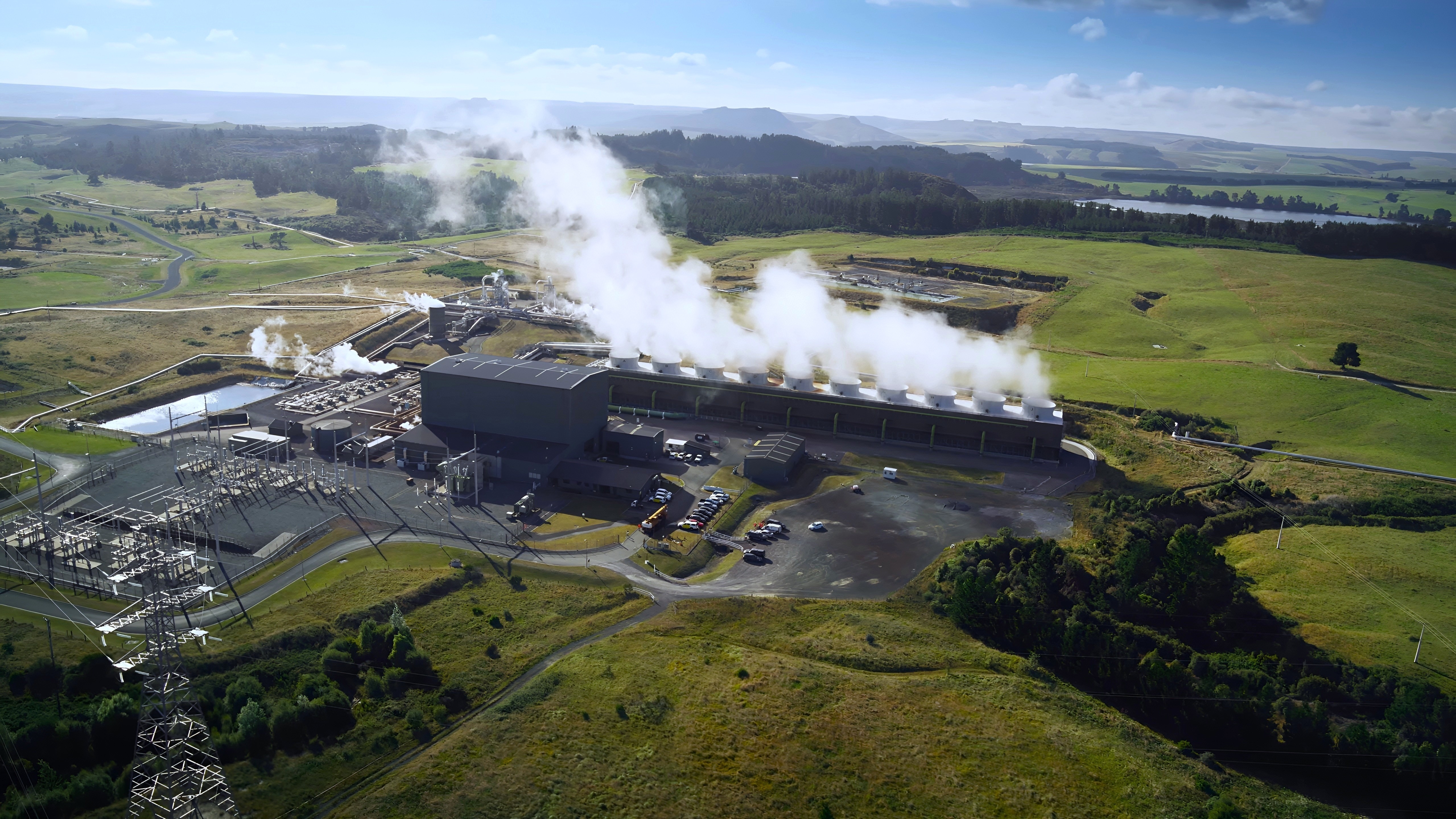
With ~16 GW installed, conventional geothermal electricity supplies less than 1% of global power today, yet its resource potential exceeds global electricity demand more than 140 times. Aside from power generation, geothermal heating and cooling is already a proven technology that is projected to at least double by 2050 through residential and district heating expansion, with significant untapped potential for decarbonizing building thermal loads.

Geothermal Power
Geothermal electricity currently supplies less than 1% of global power, with conventional installations limited to ~16 GW in key geographic areas. Yet, geothermal energy reserves are multiples larger than all known oil and gas reserves, with the technical potential to meet global electricity demand 140 times over.

Geothermal Heating & Cooling
Geothermal heating and cooling is a mature, proven technology that is projected to double by 2050 through residential and district heating expansion, with significant untapped potential for decarbonizing building thermal loads.

Geothermal heating and cooling is a mature, proven technology that is projected to double by 2050 through residential and district heating expansion, with significant untapped potential for decarbonizing building thermal loads.
Key Insights
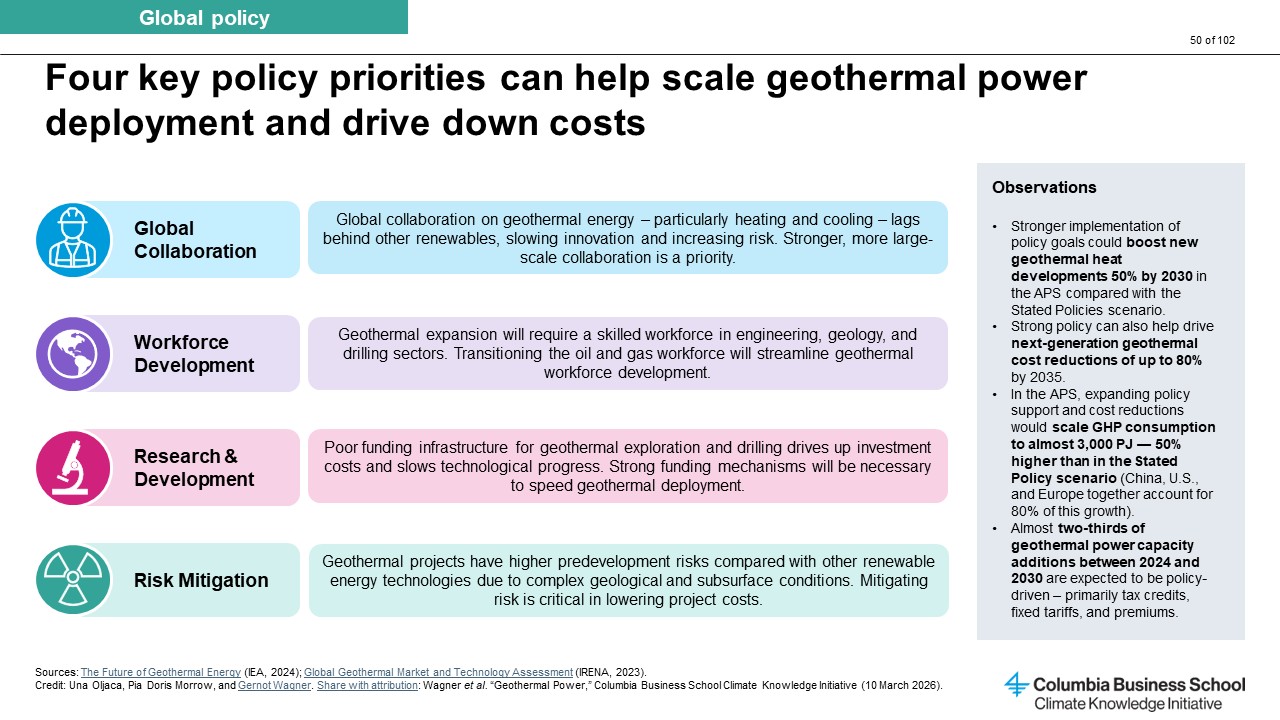
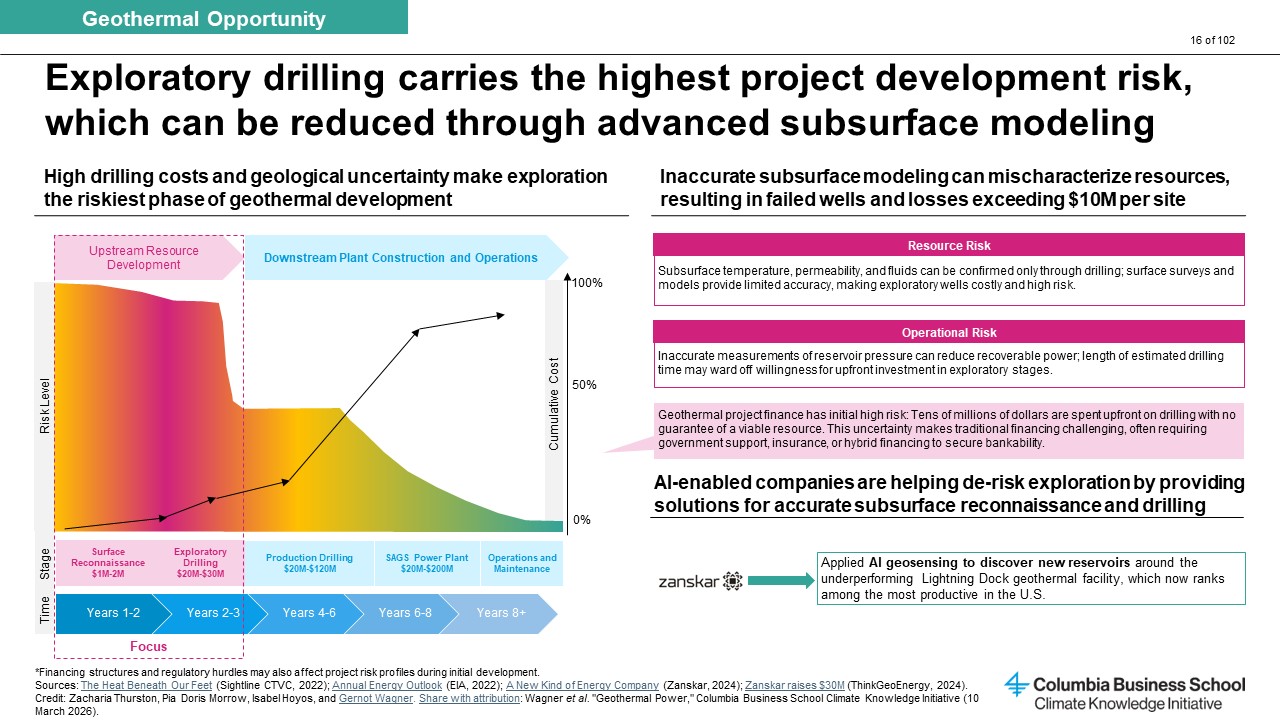
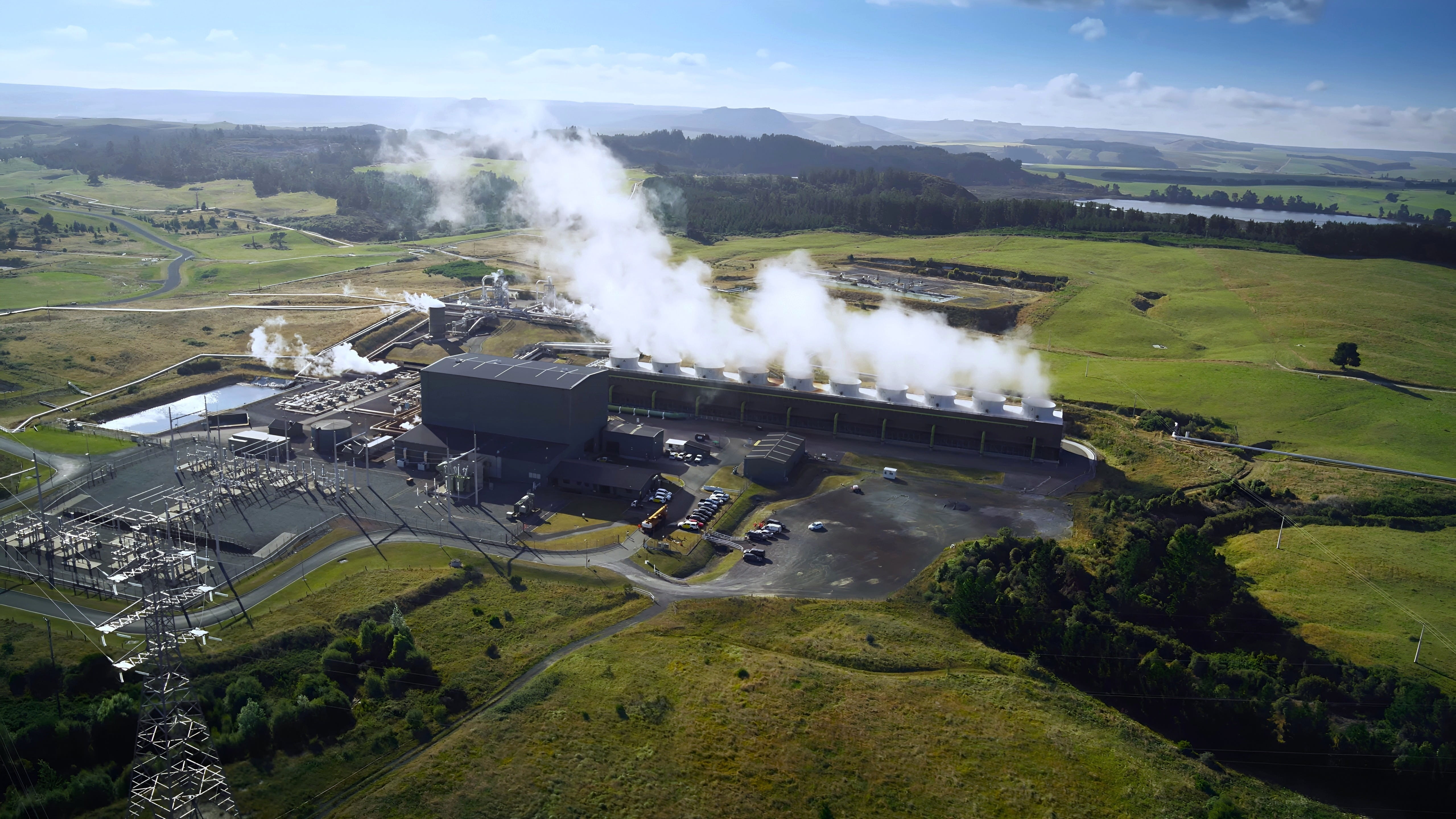

The Geothermal Opportunity: Milken Review
The Earth beneath our feet holds an almost comically simple solution to our energy problems. Drill down a few kilometers anywhere on the planet and you’ll find temperatures hot enough to boil water.
Run that water through a turbine, generate electricity, reinject the cooled water into the ground, repeat. No fuel needed. No emissions. Just heat from the planet’s molten core, which will remain hot for billions of years – long after anyone stops caring about quarterly earnings reports.

Geothermal Power: Five Key Insights from Industry Leaders
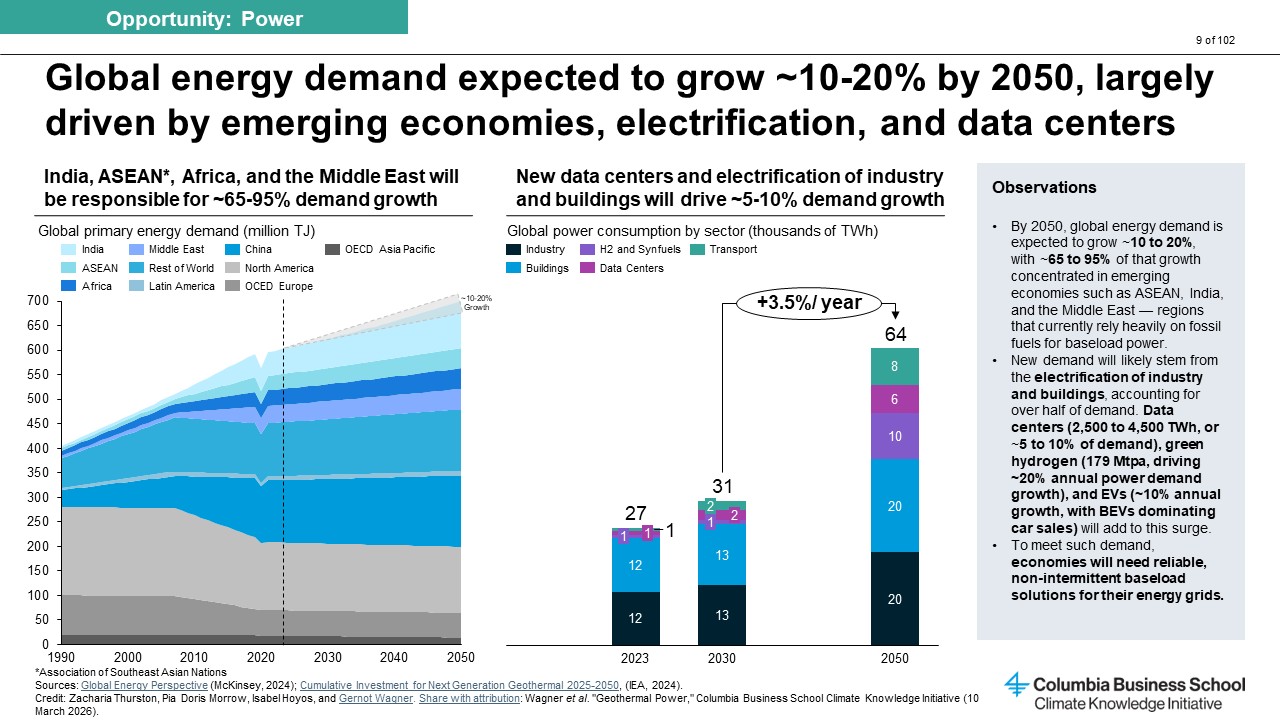
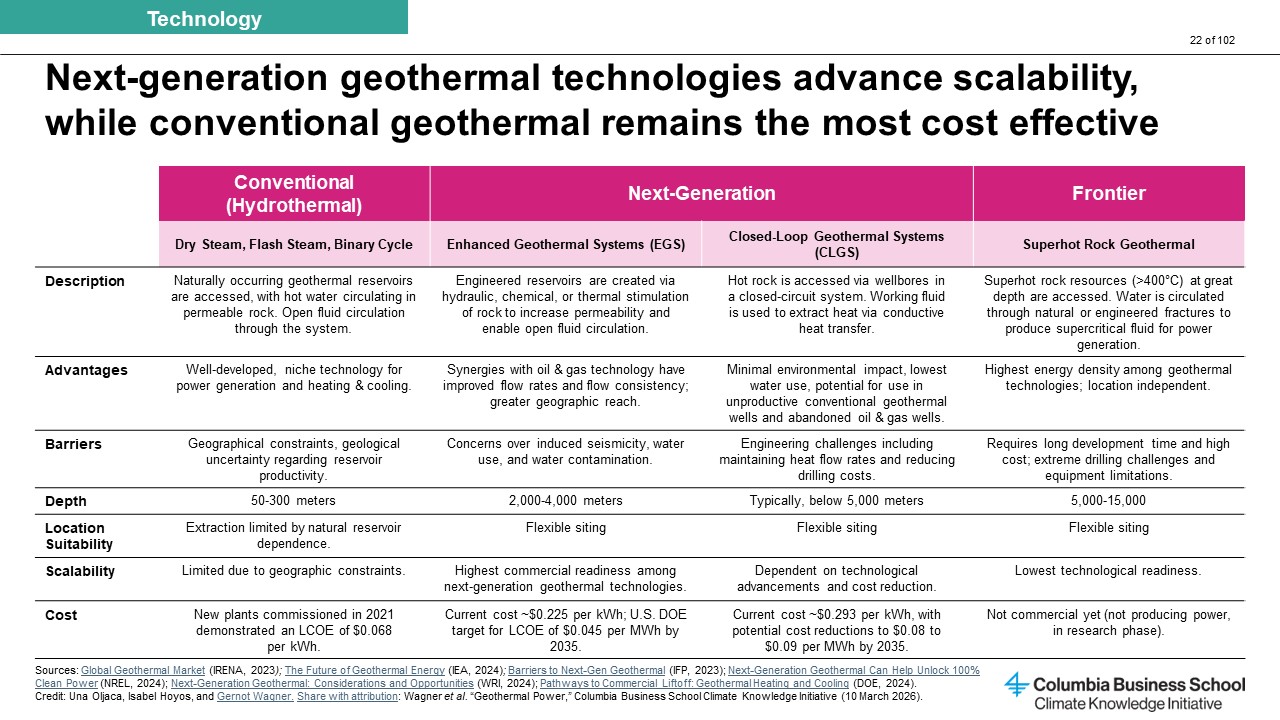
Geothermal is a proven, clean source of baseload power. Yet despite decades of operational success, it accounts for less than 1% of global electricity generation. That's about to change. Conventional hydrothermal systems are ready to deploy today, and next-generation technologies like enhanced geothermal systems (EGS), closed-loop systems, and superhot geothermal will unlock heat resources beyond naturally occurring reservoirs, dramatically expanding geothermal potential.
With federal support in the United States and unprecedented private investment, we've entered geothermal's breakout decade.

Capricorn Investment Group and Fervo Energy: Case Study
Should Capricorn Investment Group invest in Fervo Energy’s Series B venture financing round, balancing the potential of transformative technology and climate impact with the significant regulatory, financial and technical risks?
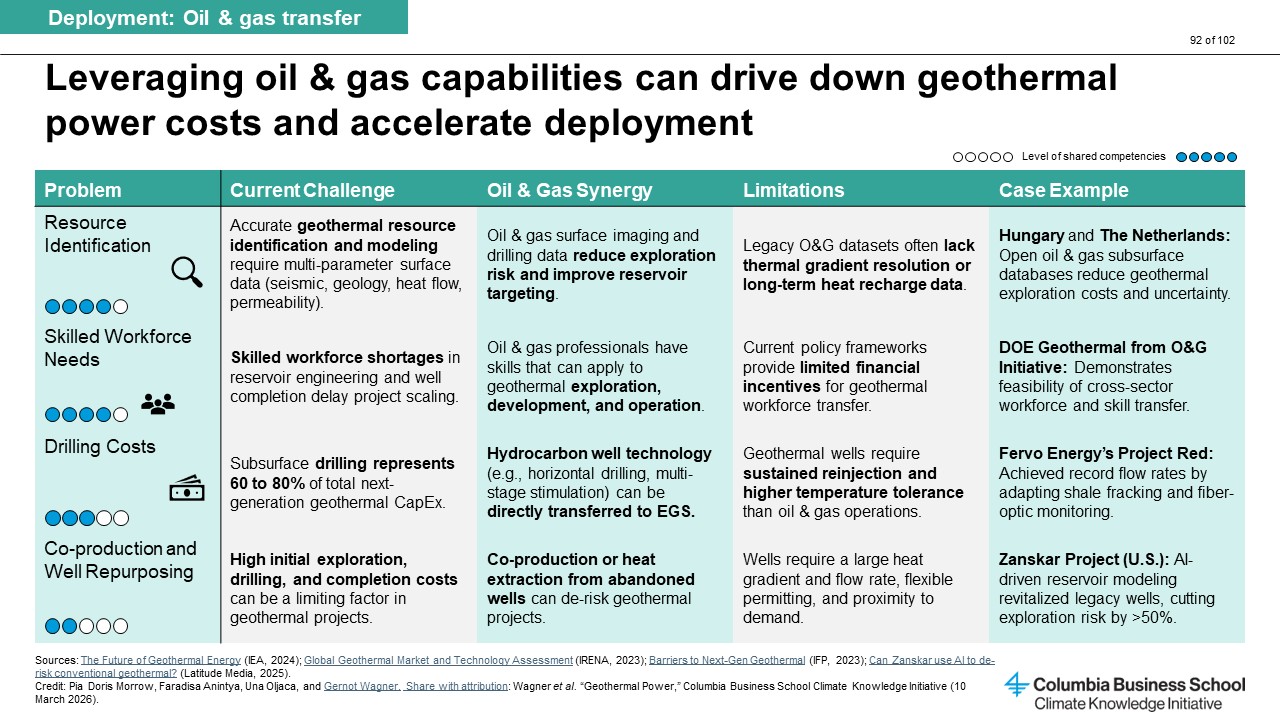
In early 2021, Capricorn Investment Group evaluated a potential venture capital investment in Fervo Energy, a pioneer in enhanced geothermal systems (EGS). This technology promised clean, always-available carbon-free power, to meet the increasing demand for firm renewable energy. However, Fervo has yet to develop a commercial-scale plant, and the technology remains expensive and risky, particularly with regulatory hurdles, limited suppliers and competition from other power generation technologies. In this case study, students learn about the clean tech industry and are tasked with evaluating an early-stage VC investment.