Airloom EnergyAirloom Energy is developing a next-generation wind power system that reduces the material requirements and logistical complexity inherent in traditional wind turbines while achieving a lower levelized cost of electricity. Will Van Allen ’27 (not pictured), Chloe Levin ’27, Dhruv Rastogi ’27, and Naman Shah ’27 supported Airloom in designing a long-term manufacturing strategy to unlock low-cost, at-scale production within the United States. The team mapped the cost structure of Airloom’s bill of materials and benchmarked the potential savings from in-house manufacturing across varying production scales. They developed a comprehensive roadmap detailing “make vs. buy” decisions, capital requirements, and a prioritized list of equipment and capabilities needed for implementation. 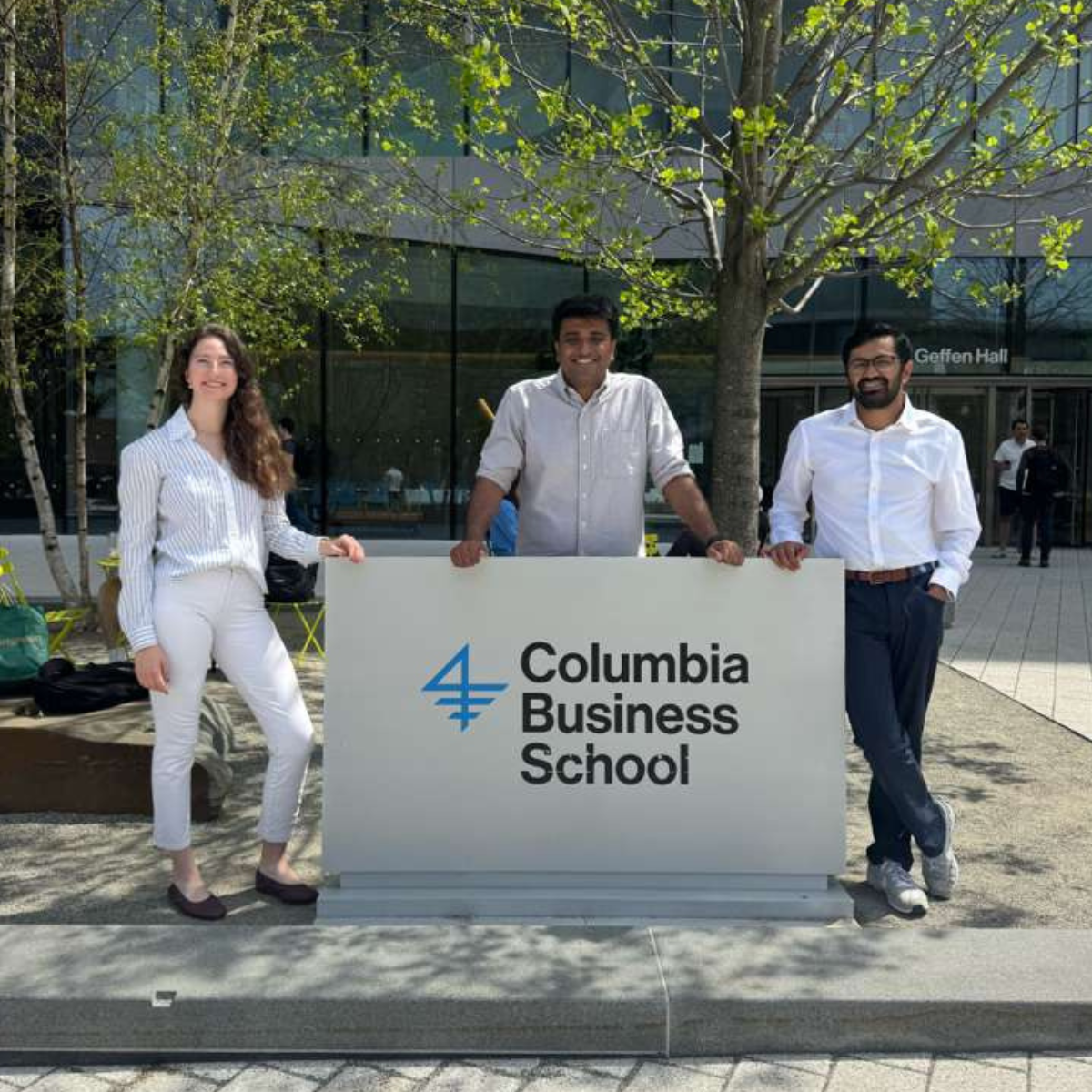 |
Aligned Climate CapitalAligned Climate Capital is a climate-focused investment firm that deploys capital into climate infrastructure and technology companies across the energy transition and across the capital stack to decarbonize the economy. Stephanie Chen ’26, Allysia Dee ’27, Soyoung Park ’27, and Cathy Yu ’27 conducted a market assessment of solid-state transformers (SSTs), including analysis of the competitive landscape, market drivers, and projected revenue scenarios through 2030. Their work will support Aligned Climate Capital in evaluating emerging investment opportunities in advanced grid infrastructure.  |
Global Infrastructure Partners (BlackRock)Global Infrastructure Partners (GIP), BlackRock’s dedicated infrastructure platform, oversees the Climate Finance Partnership (CFP), a $670M+ blended finance equity fund focused on scaling climate infrastructure investment in non-OECD countries through capital from governments, philanthropic foundations, and institutional investors. Zack Coley ’26, Michael Shale ’26, David Shepard ’26, and Tarushi Sinha ’26 researched alternative fuel infrastructure investment opportunities across emerging markets in Asia, Africa, and South America. The team mapped value chains, evaluated regulatory and supply-demand fundamentals, prioritized core technologies, and identified leading companies to generate actionable investment recommendations for CFP. %20-%202026-2.png) |
Capital for ClimateCapital for Climate is an impact platform mobilizing private capital for nature-based solutions across Brazil and Latin America. Natalia Moura Aravequia ’26, Larissa Bandeira ’26, Anusha Bhagat ’26, and Felipe Gatos ’26 supported the development of the Catalytic Development Facility (CDF), a $10M early-stage investment vehicle designed to bridge the financing gap preventing high-quality carbon projects from reaching scale. On the demand side, the team built a go-to-market strategy for capital and offtake, including a prioritized CRM of target corporations, institutional investors, and development finance institutions, alongside expert interviews to identify barriers to commitment and optimal deal structures. On the supply side, the team conducted due diligence on a curated portfolio of nature-based solutions developers across Latin America, assessing project quality, scalability, cost structures, and data readiness. This work culminated in the development of Capital for Climate’s initial project pipeline and sourcing framework. 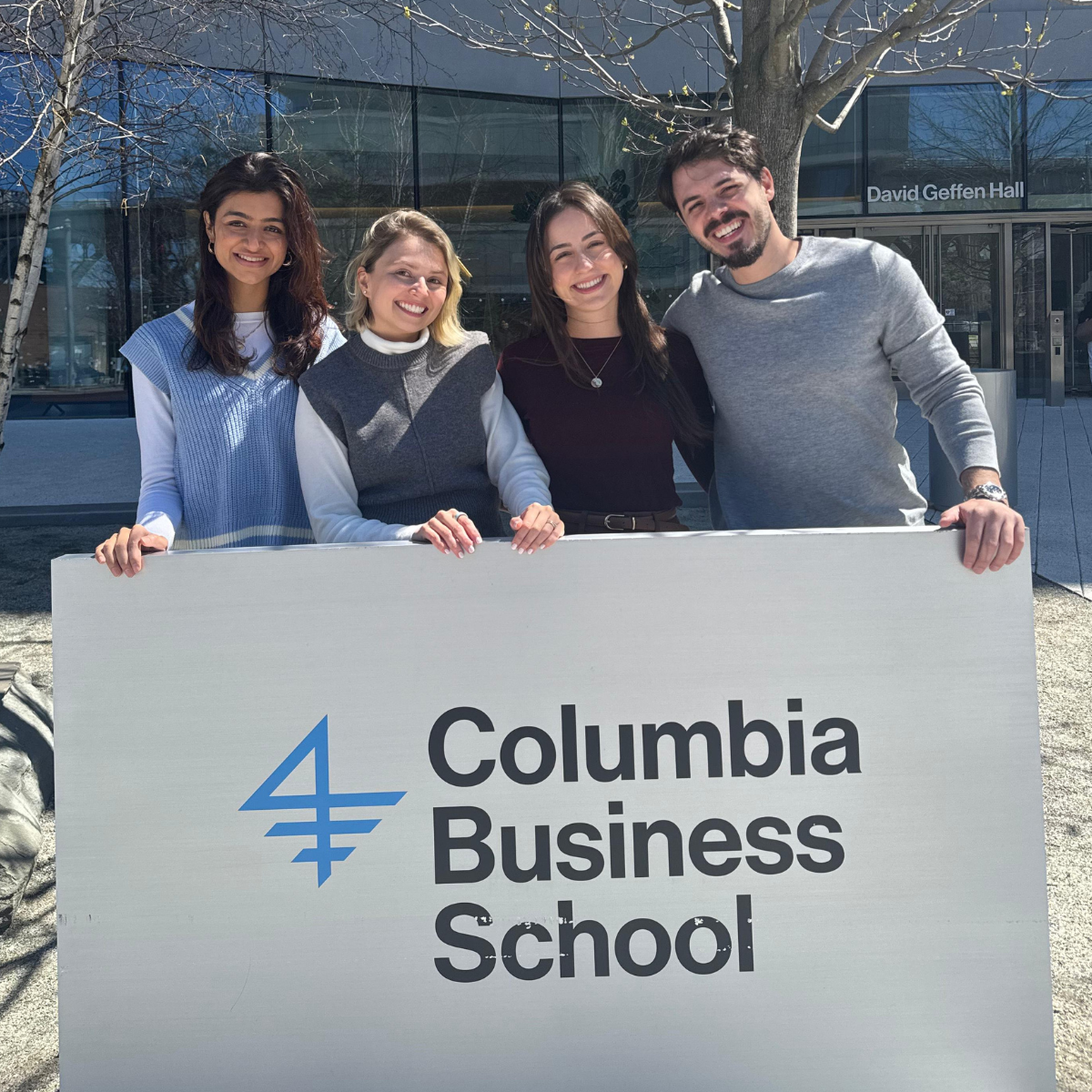 |
Delta40Delta40 is a venture studio and VC fund dedicated to building high-impact companies across Africa, with a focus on improving livelihoods and planetary health. Greg Bragg ’27, Ryutaro Oshima ’27, Anand Singh ’27, and Kostas Vafeidis ’27 partnered with Delta40 to identify innovation opportunities within Africa’s critical minerals value chain, focusing specifically on tailings management. The team built a total addressable market model for African tailings, conducted sentiment analysis of mining company reports, audited public records for transparency gaps against the Global Industry Standard on Tailings Management (GISTM), and mapped technologies including AI, IoT, and InSAR for mine waste remediation and secondary mineral extraction. They also cataloged development finance institution funding sources and financing structures relevant to the industry. 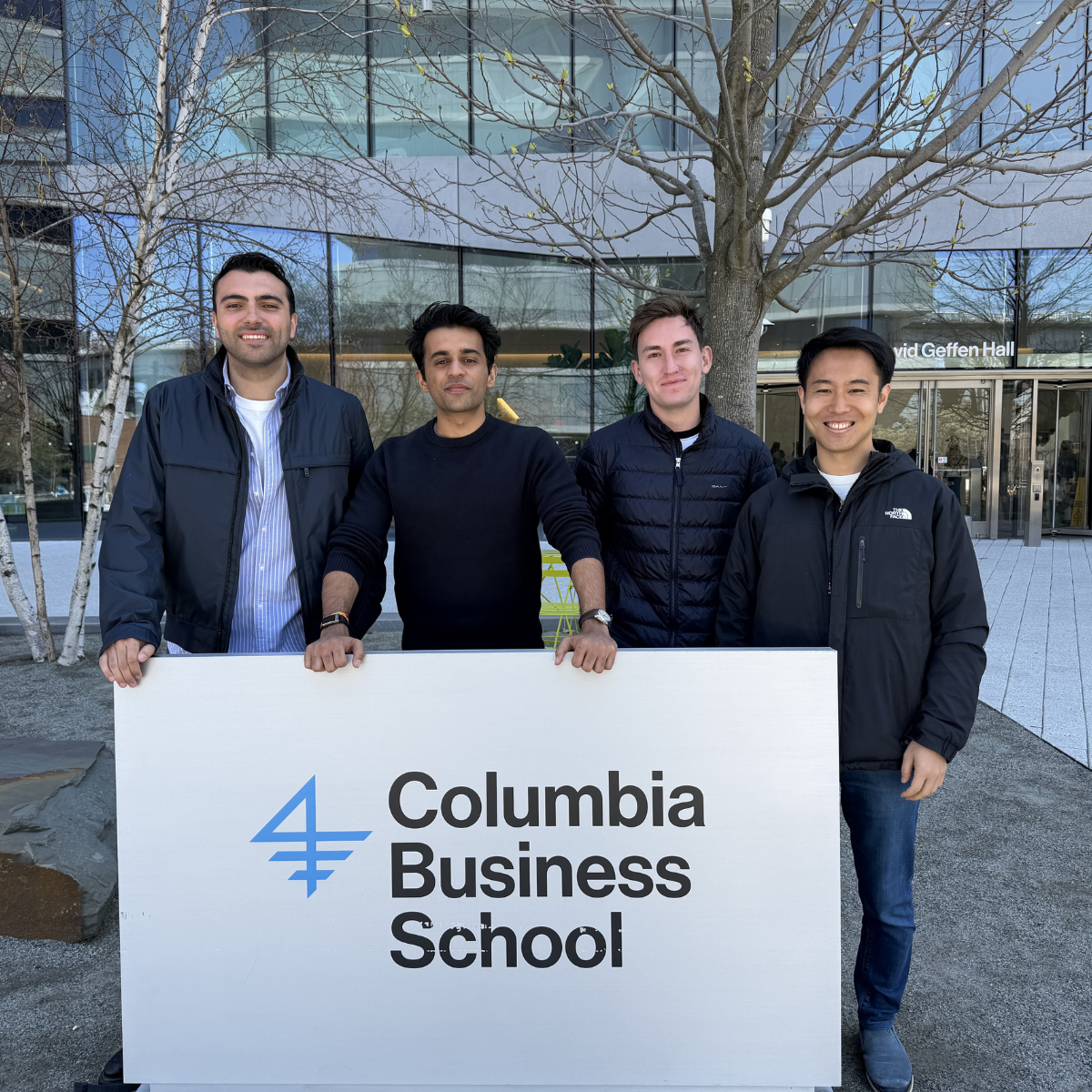 |
Dimensional EnergyDimensional Energy licenses proprietary catalyst, process, and reactor systems that convert CO₂ and other carbonaceous feedstocks into low-carbon synthetic waxes, fuels, and specialty chemicals. Julian Berard ’27, Amelia Mann ’27, and Kevin Tian ’26 supported Dimensional Energy across three workstreams: developing a go-to-market strategy and customer discovery framework, evaluating opportunities related to the EU Innovation Fund’s Call for Funding, and creating a marketplace strategy for Dimensional Energy’s end-products, including customer mapping and positioning materials for investors and commercial partners. 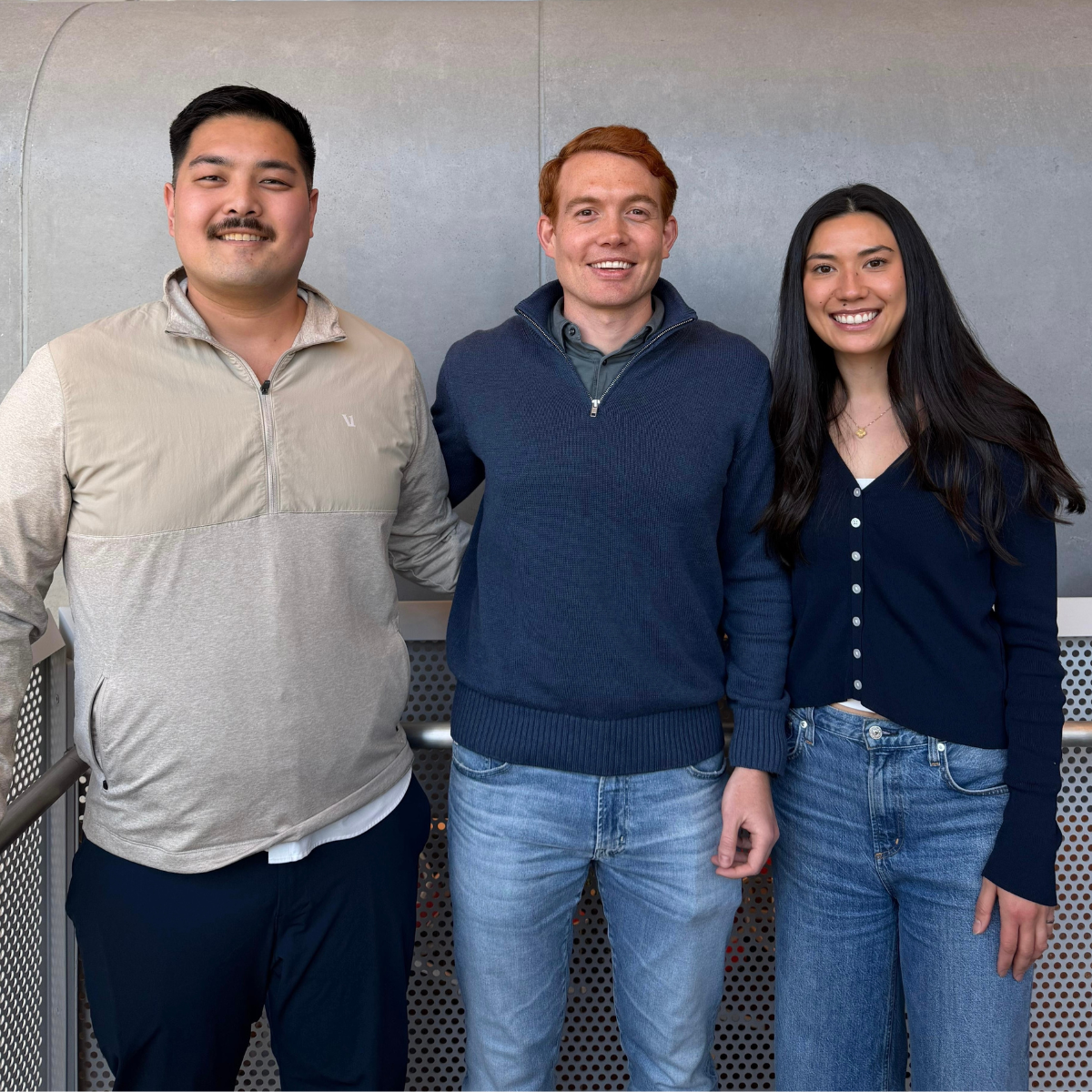 |
Noronha VerdeNoronha Verde is a renewable energy initiative encompassing the energy grid of Fernando de Noronha, a UNESCO World Heritage Site, with the goal of transforming it into the first inhabited oceanic island in Latin America powered by a fully sustainable energy including photovoltaic power plants and battery energy storage. Trevor Hansen ’26 and Natalia Georg Vidal ’26 conducted expert interviews and retrospectively analyzed the project’s design and construction practices. Their work identified strengths and replicable practices that distinguish the project from conventional energy initiatives, as well as opportunities for improvement. The findings are intended to serve as a model for decarbonizing island and fragile ecosystems globally. 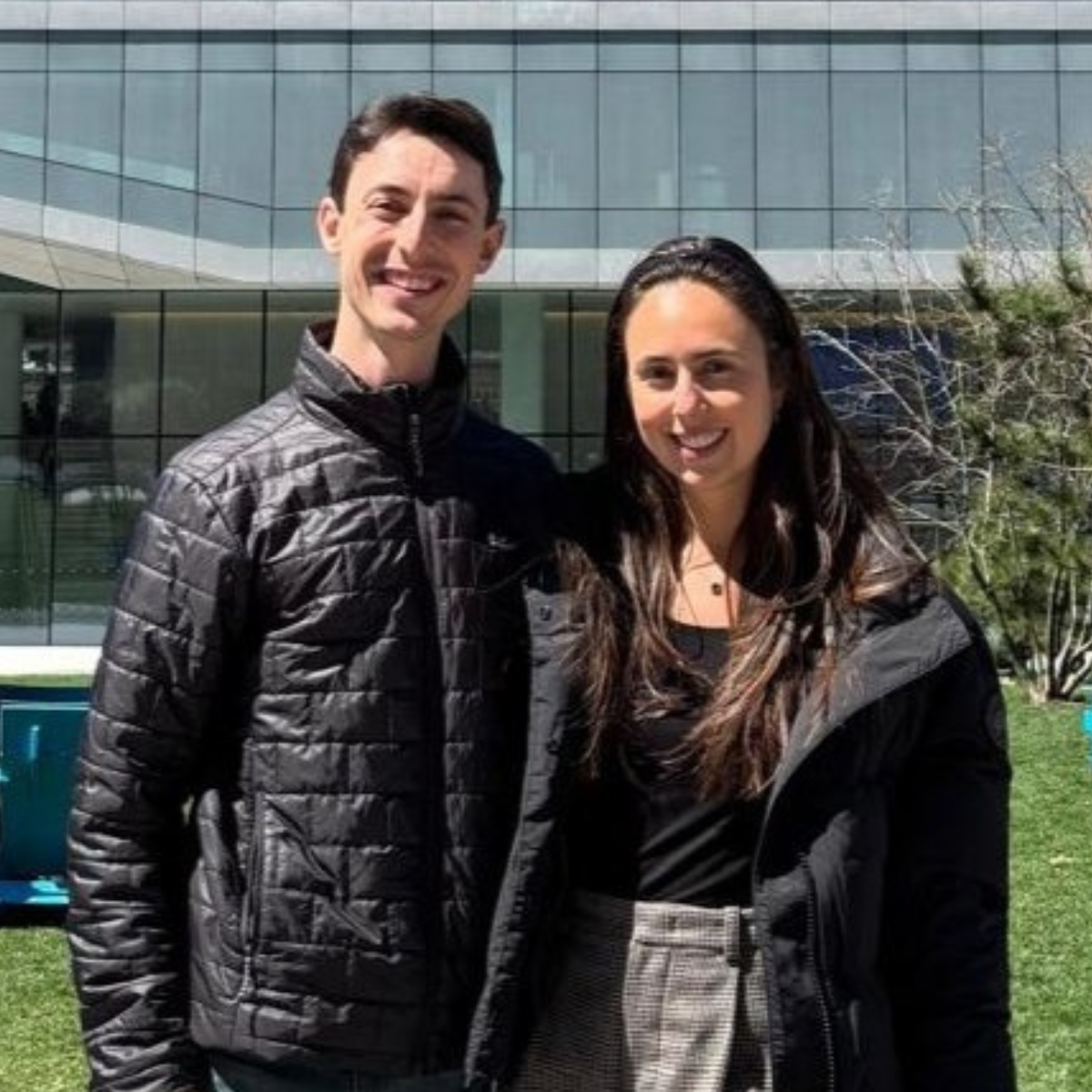 |
Leyden AnalyticsLeyden Analytics is an energy fintech company that provides data intelligence to support the clean energy transition. Arundhati Dixit ’26 and Shreyata Sharma ’26 developed a comprehensive weather data solution to support risk modeling for clean energy assets. The team created a searchable database and data pipeline integrating historical weather data, forecasting models, snowpack data, and streamflow and solar radiation parameters across more than 2,500 stations nationwide. In parallel, they developed a comparative assessment of available weather databases, evaluating data accessibility, confidence, temporal and spatial resolution, and operational tradeoffs. This allows standardized weather projections to be incorporated into clean energy asset risk analysis. 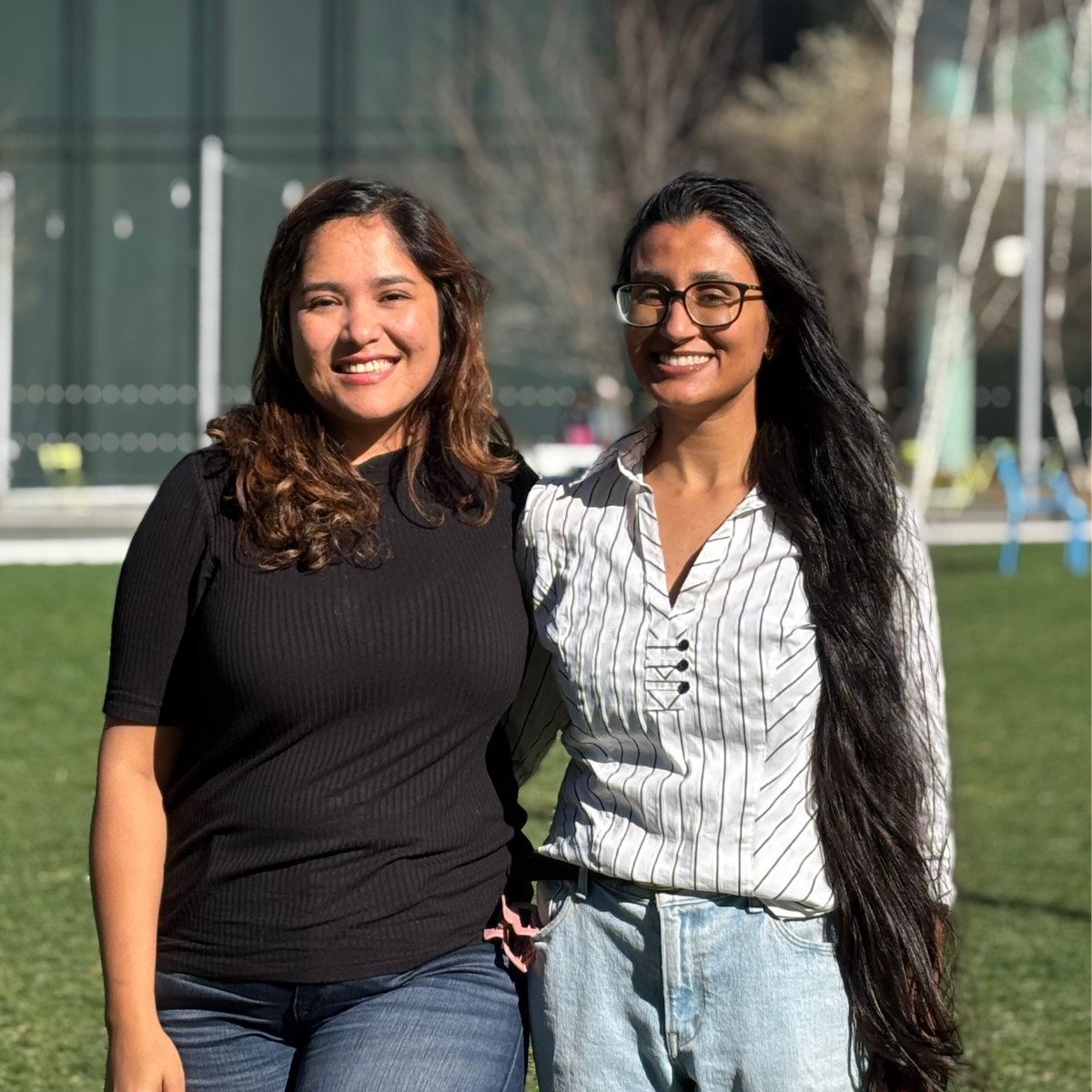 |
Prana EarthPrana Earth is a nature-based solutions marketplace connecting impact investors with high-integrity environmental projects focused on forest restoration, water conservation, and ecosystem regeneration. Hardik Agarwal ’26, Ting Ting Chou ’26, Aleya Dutta Choudhury ’27, and Shryans Goyal ’26 worked with Prana Earth to accelerate the company’s fundraising strategy and strengthen its market positioning. The team delivered investor-facing analysis, strategic research, and financial modeling to support fundraising efforts. They developed a targeted investor list prioritizing impact investors, climate funds, and strategic partners; built a financial model projecting key business metrics; and mapped the evolving policy landscape for nature-based solutions to generate actionable growth recommendations. 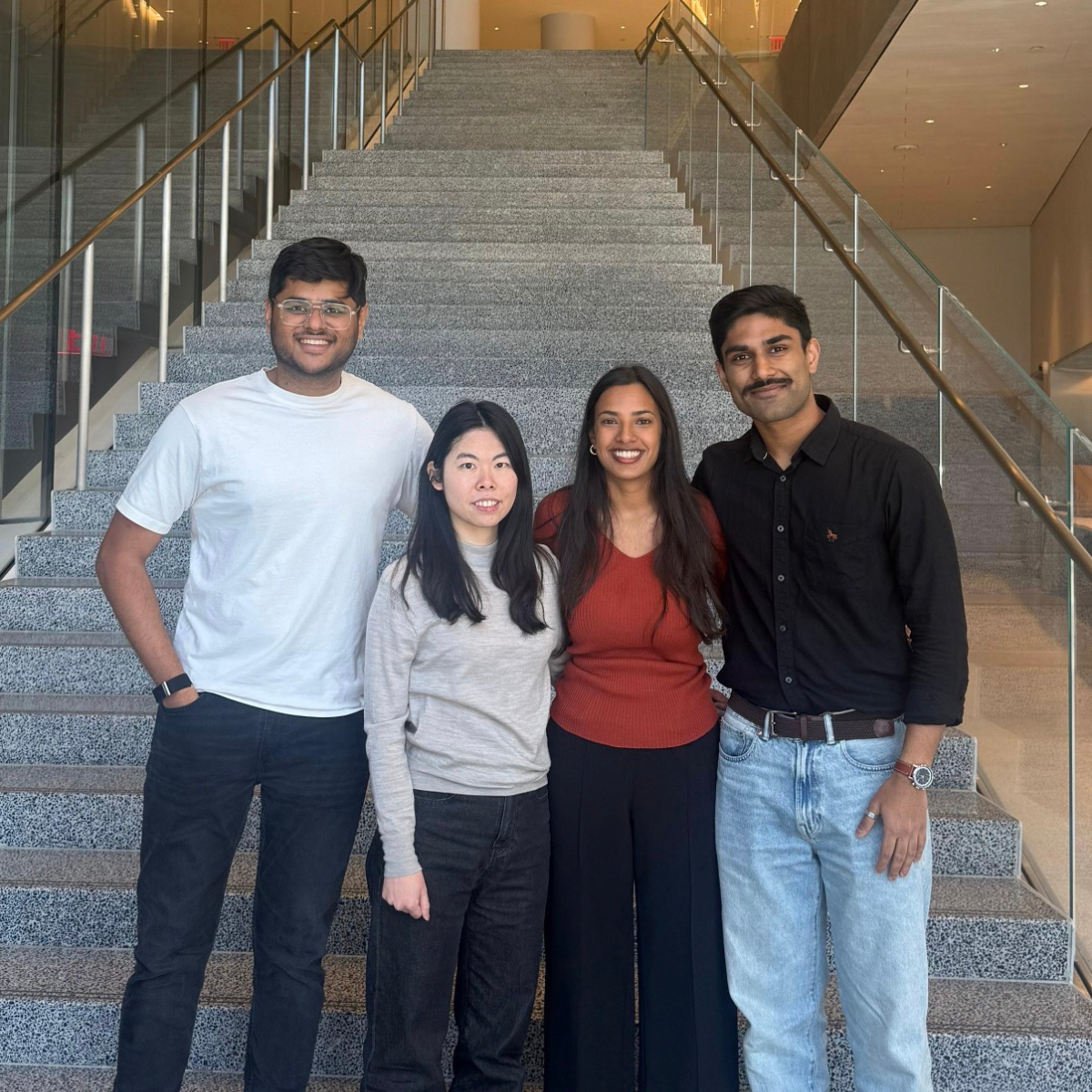 |
SEAFSEAF is a global impact investment organization focused on supporting small and medium enterprises in underserved markets through capital, advisory, and operational support. Maxine de Havenon ’27, Sharvari Johari ’27, Anna Patricios ’27, and Will Ryu ’27 partnered with SEAF on two concurrent projects spanning clean energy and agri-tech. For Suncolombia, the team developed components of an investment memorandum supporting IDB (Inter-American Development Bank) financing, including country-level market assessments, ESG analysis, competitive dynamics, and investment risk evaluation. In parallel, the team conducted a comprehensive market and competitive analysis for Ondo, producing competitor scorecards and recommendations related to pricing, product differentiation, and go-to-market strategy to support fundraising and international expansion. 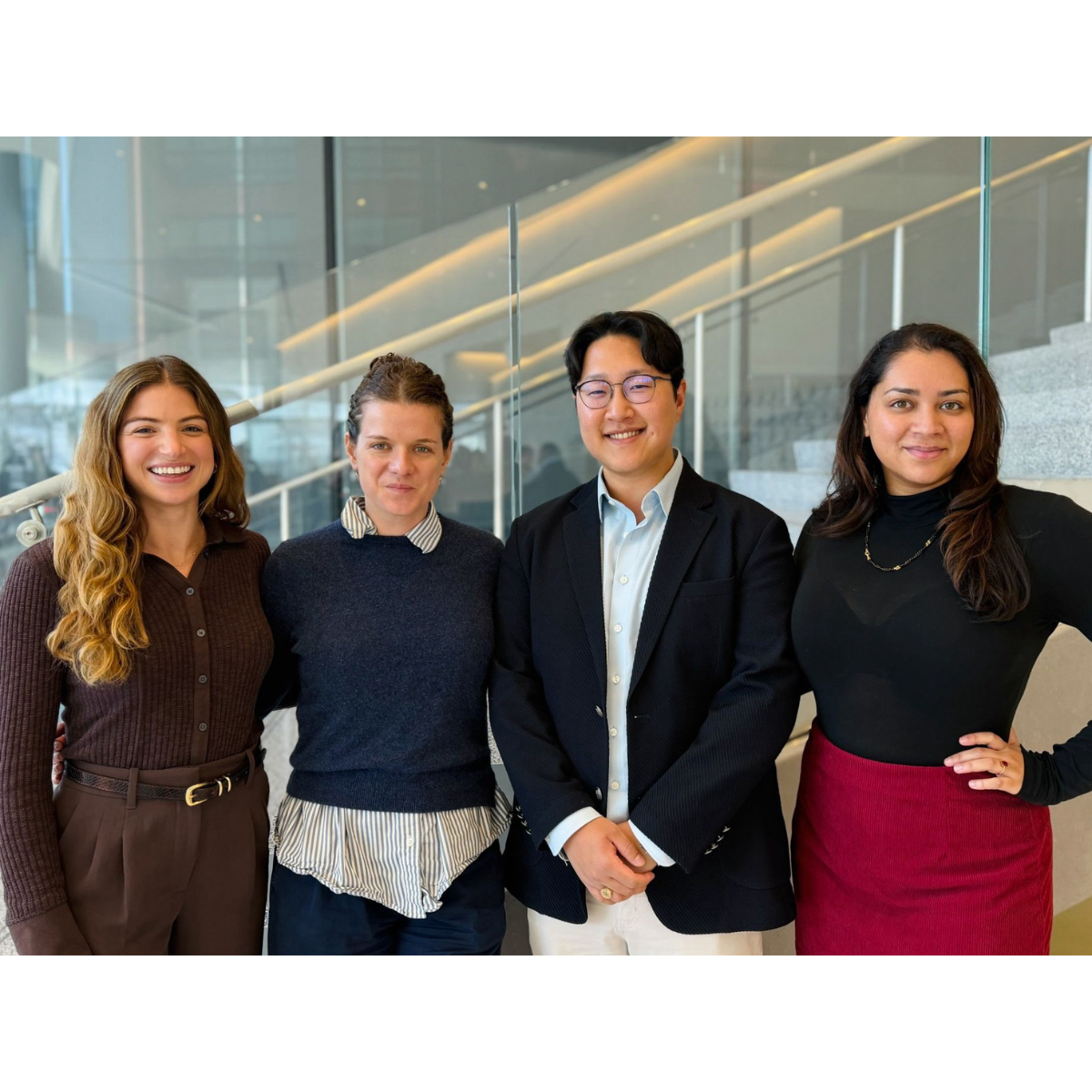 |
Sosteneo SGR S.p.A.Sosteneo SGR S.p.A., part of the Generali Investments platform, is a specialist investment firm focused on construction-ready clean energy infrastructure. Benson Chang ’27, Casey Chen ’26, Katia Manner ’27, and John Repetti ’27 evaluated the investment potential of renewable-powered desalination infrastructure in Europe, by assessing technologies compatible with renewable energy integration and developing frameworks to evaluate capital and operating costs for industrial-scale plants. The team analyzed revenue models, financing options, investor appetite, and the competitive landscape across Europe, while also evaluating the technical, regulatory, and financial factors shaping project viability. Their work was designed to help determine whether green desalination could emerge as an investable infrastructure theme for Fund II. 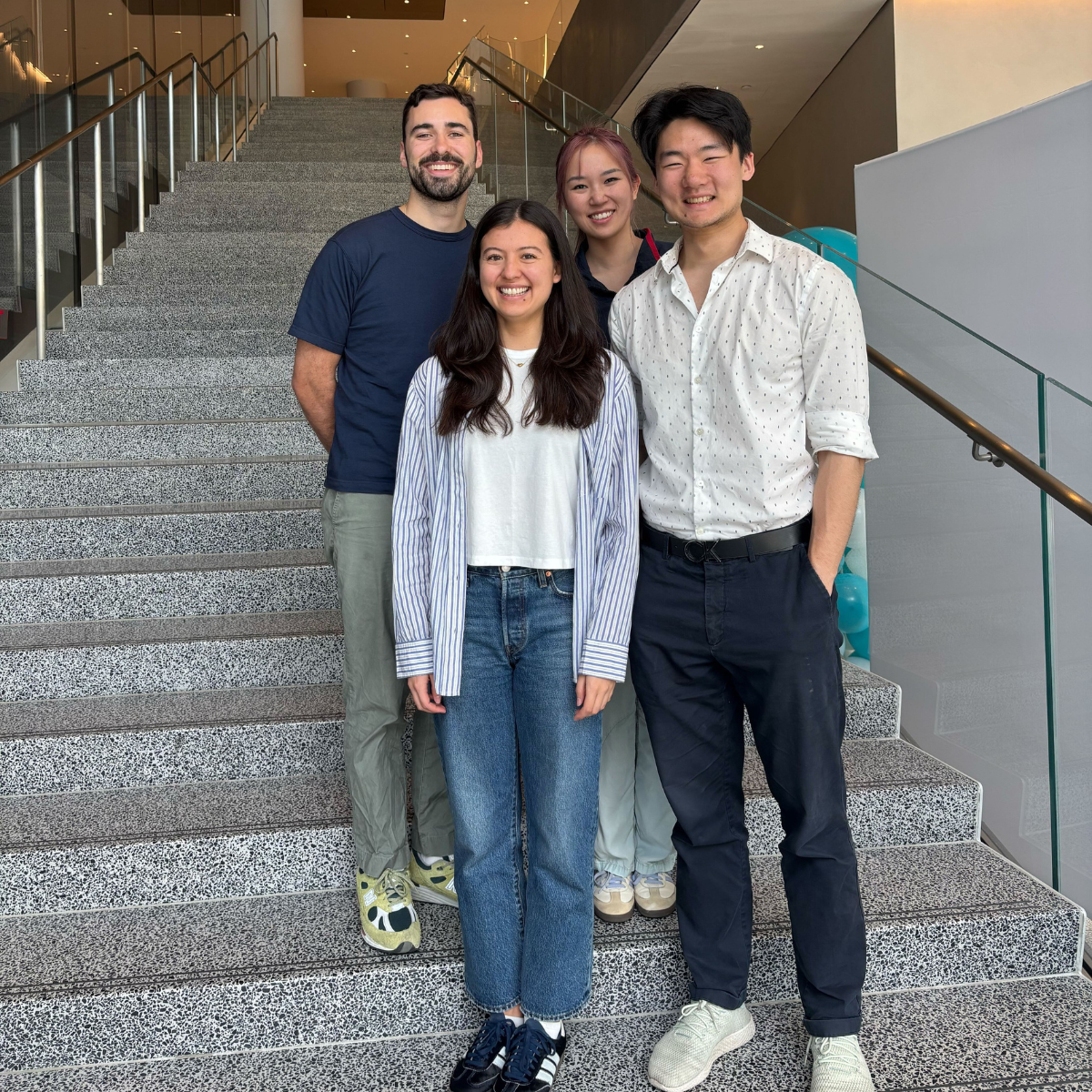
|